
Home > Battery Lead recyling plant
Air Pollution Control (APC) Plant
Applications of APC Plants
Our APC systems are extensively used in:
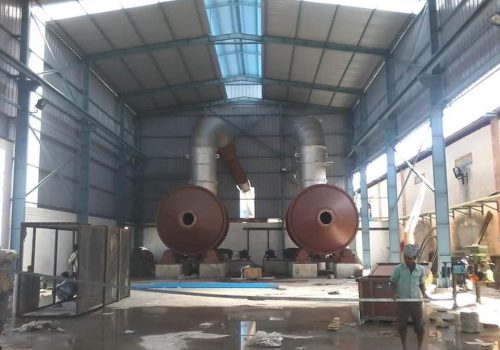
- Lead Rotary Furnace
- Aluminium Melting Furnaces
- Copper & Brass Furnaces
- Hot Dip Galvanizing Plants
- Zinc Kettle Operations
- Chemical Processing Units
- Heat Treatment Furnaces
- Dross & Slag Processing Units
- Recycling & Metal Recovery Plants
Advanced Emission Control System for Furnace, Galvanizing & Recycling Industries
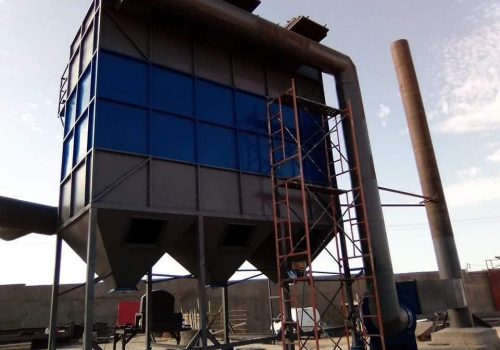
A Complete Air Pollution Control (APC) Plant is an essential system installed in industrial applications to reduce particulate emissions, toxic gases, dust, and chemical pollutants generated during melting, smelting, heating, and galvanizing operations.
Whether you operate a Lead Rotary Furnace, Aluminium Melting Furnace, Hot Dip Galvanizing Plant, Copper Melting Furnace, or any Thermal Processing Unit, an APC Plant ensures your facility meets CPCB, EPA, and global environmental norms.
At M. G. Furnaces, we specialize in designing, manufacturing, and installing Complete APC Plants that deliver maximum pollution reduction, low energy consumption, and long-term operational reliability.
What is an APC Plant?
An Air Pollution Control Plant is a combination of equipment that captures, filters, and neutralizes harmful pollutants before they are released into the atmosphere.
It is designed to handle:
- ✔ Dust & particulates
- ✔ Acid fumes
- ✔ Heavy metals (Lead/Zinc/Copper/Aluminium)
- ✔ Chemical vapours
- ✔ High-temperature gases
- ✔ Toxic emissions from melting & smelting
Components of a Complete APC Plant
A fully integrated APC Plant typically includes:
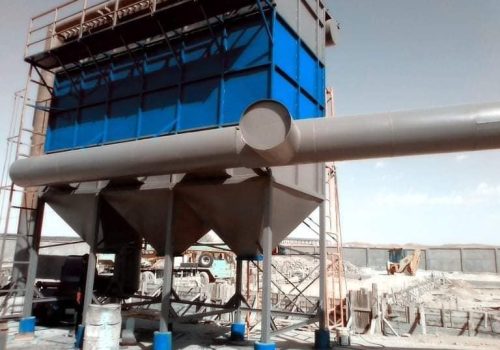
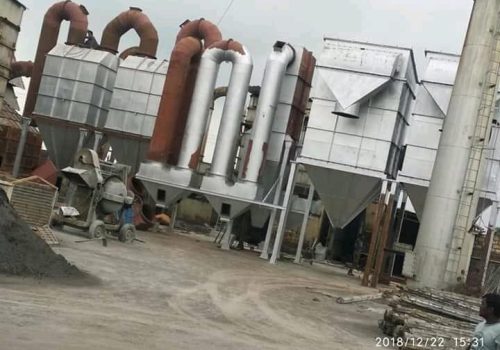
- Fume Extraction System (FES): Captures emissions directly from the furnace or galvanizing tank using Hooding system, Suction ducting, Blowers, Dampers.
- Cyclone Separator: Removes large and medium-sized particulate matter efficiently.
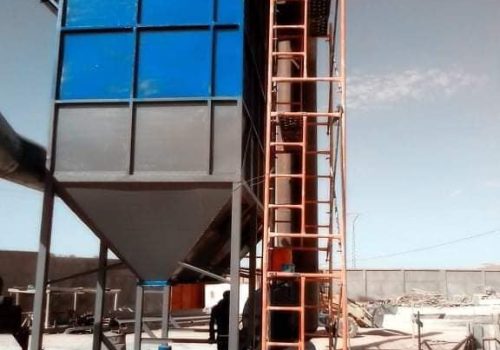
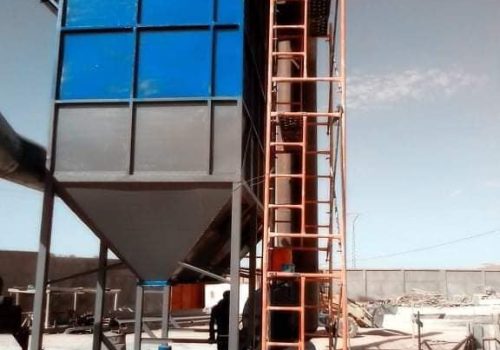
- Bag House Filter / Bag Filter Unit: High-efficiency filtration using fabric bags to capture fine particulates (< 5 microns) with 99.9% efficiency.
- Wet Scrubber / Venturi Scrubber: Neutralizes chemical vapours, SOx, NOx, acid fumes, and corrosive gases.
- ID Fan / FD Fan: Ensures steady airflow and maintains negative pressure in the system.
- Chimney (Stack): Releases treated air safely into the atmosphere according to environmental norms.
- Control Panel & Automation System: PLC/SCADA-based optional control for monitoring pressure, temperature, suction, and filtration.
Key Features of Our Complete APC Plant
- ✔ Meets CPCB & International Emission Standards: Compliant with environmental norms globally.
- ✔ High Filtration Efficiency (up to 99.9%): Removes even micron-sized dust particles.
- ✔ Heavy-Duty Construction: Made from corrosion-resistant steel with premium coatings.
- ✔ Energy-Efficient Operation: Low power consumption fans and optimized ducting design.
- ✔ Low Maintenance System: Easy access doors, quick bag replacement, and robust components.
- ✔ Customizable for Any Furnace or Process: Tailor-made design based on input pollutant type, capacity, and layout.
- ✔ Extended Filter Bag Life: Special fabric bags resist high temperature, chemical fumes, and moisture.
Benefits of Installing an APC Plant
- 🔵 Environmental Compliance: Ensures zero legal issues and smoother factory operations.
- 🔵 Worker Safety & Clean Environment: Reduces exposure to dangerous fumes and heavy metals.
- 🔵 Improved Furnace Efficiency: Better suction and cleaner workspace enhance productivity.
- 🔵 Reduced Operational Cost: Efficient design saves energy and maintenance costs.
Why Choose M. G. Furnaces for APC Plants?
- 🌟 Experience of 15+ Years: Serving galvanizing, melting, and smelting industries worldwide.
- 🌟 Turnkey APC Solutions: From design → fabrication → installation → commissioning.
- 🌟 In-House Engineering Expertise: Mechanical, thermal, structural, and pollution control specialists.
- 🌟 Export-Quality Manufacturing: Supplying to Asia, Middle East, Africa, Europe, and CIS nations.
- 🌟 Completely Custom-Built Plants: We design APC plants based on Furnace type, Raw material, Required airflow, and Local emission norms.